
What Does a Bookkeeper Do in the UK? Role, Tasks & Limits Explained
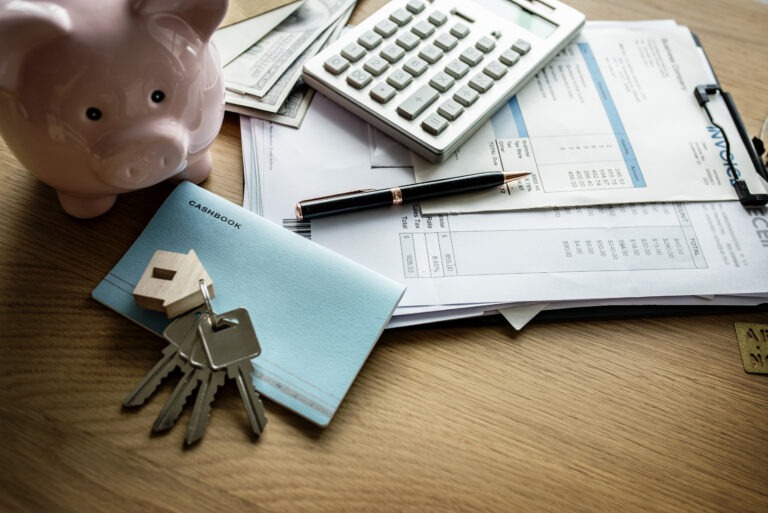
Many small business owners know that bookkeeping matters, but the exact role of a bookkeeper is not always clear. Some people assume a bookkeeper simply enters receipts into software. Others expect a bookkeeper to deal with accounts, tax returns, VAT, payroll, business advice and everything in between. In reality, the role usually sits somewhere in the middle.
A bookkeeper is mainly responsible for keeping financial records accurate, organised and up to date. This can include recording sales, purchases, expenses, bank payments, customer receipts, supplier bills and other day-to-day transactions. These records are then used to support VAT returns, Self Assessment tax returns, company accounts, Corporation Tax returns and wider financial reporting where relevant.
In the UK, bookkeeping is especially important because business records are not optional. Sole traders and partnerships must keep records of business income and expenses for Self Assessment, while limited companies must keep company and accounting records. VAT-registered businesses also need records that support VAT returns, and Making Tax Digital rules mean digital bookkeeping is becoming more important for many businesses. GOV.UK confirms that self-employed people must keep business income and expense records for Self Assessment, and separate rules apply to limited companies.
This guide explains what a bookkeeper does in the UK, what tasks they may handle, where the role usually stops, and how bookkeeping differs from accounting.
What does a bookkeeper do?
A bookkeeper records and organises the financial transactions of a business. Their role is to make sure the day-to-day financial activity is captured properly, so the business has a clear record of what has been earned, spent, paid and owed.
In practical terms, a bookkeeper may enter sales invoices, record purchase invoices, categorise expenses, reconcile bank accounts, keep track of receipts, check customer payments, review supplier balances and maintain records in bookkeeping software. The work is usually regular rather than occasional. A bookkeeper may update records weekly, monthly or quarterly depending on the business and the level of activity.
The role is not just data entry. A bookkeeper often acts as the person who spots gaps in the records. For example, they may notice that a bank transaction has no receipt attached, that a customer payment has not been matched to an invoice, that a supplier bill appears twice, or that a director has paid a business cost personally. These issues can then be corrected before they become bigger problems at year end.
A bookkeeper helps keep the financial information tidy enough for accounts, tax returns and management reports to be prepared. They do not necessarily decide every tax treatment or provide wider tax advice, but they help make sure the underlying information is available and organised.
What tasks can a bookkeeper handle?
The exact tasks depend on the business, the software being used and the agreement between the business and the bookkeeper. However, most bookkeeping work involves keeping sales, purchases, expenses and bank transactions in order.
Sales bookkeeping usually involves recording invoices issued to customers, checking which invoices have been paid, and identifying amounts still owed. In a business that takes card payments or online payments, the bookkeeper may also need to match payment processor deposits to sales records. This can be important because the amount received into the bank may be lower than the gross sale after fees have been deducted.
Purchase bookkeeping involves recording supplier bills, receipts and expenses. This could include materials, software, rent, insurance, telephone costs, motor expenses, professional fees and other business costs. Each item normally needs to be categorised so that the records show what the business has spent money on.
Bank reconciliation is another core bookkeeping task. This means comparing the transactions in the bookkeeping system with the actual bank statement. If the two do not agree, the bookkeeper may need to look for missing transactions, duplicated entries, timing differences or items that have been posted to the wrong place.
A bookkeeper may also help prepare VAT records where a business is VAT registered. VAT-registered businesses need records that support the figures submitted on VAT returns. GOV.UK states that VAT-registered businesses must keep VAT records, and businesses within Making Tax Digital for VAT must use compatible software for digital records and VAT submissions.
Some bookkeepers also help with payroll administration, although payroll is a separate area with its own rules and deadlines. Where payroll is included, the bookkeeper may help record wages, PAYE, National Insurance, pension deductions and payroll journals in the bookkeeping system.
What records does a bookkeeper usually work with?
A bookkeeper works with the financial evidence behind the business transactions. This may include sales invoices, supplier invoices, receipts, bank statements, credit card statements, loan statements, till reports, card payment reports, payroll records, VAT records and mileage records.
For self-employed individuals, GOV.UK says records should include all sales and income, all business expenses, VAT records if registered for VAT, PAYE records if employing people, and records about personal income where relevant. Records must also be kept for at least five years after the 31 January submission deadline for the relevant tax year.
For limited companies, the record keeping requirement is different. A company must keep accounting records and other company records. GOV.UK states that limited company accounting records usually need to be kept for six years from the end of the last company financial year they relate to, with longer periods applying in some circumstances.
A bookkeeper may not physically store every record, but they often help organise records so they are easier to find. For example, digital bookkeeping software may allow invoices and receipts to be attached directly to transactions. This creates a clearer link between the bank payment and the evidence behind it.
The quality of the records matters because accounts and tax returns rely on the information behind them. If a business only has incomplete bank statements and no supporting documents, it may be harder to explain what certain payments were for. If records are maintained during the year, the position is usually clearer.
Bookkeeper vs accountant: what is the difference?
A bookkeeper and an accountant often work with the same financial information, but they usually focus on different stages of the process. A bookkeeper normally deals with the day-to-day records. An accountant usually uses those records to prepare accounts, tax returns, Corporation Tax computations, management reports or other formal financial information.
The distinction is not always strict. Some accountants provide bookkeeping services, and some bookkeepers have qualifications or experience that allow them to provide wider support. However, the general difference is that bookkeeping records what happened, while accounting interprets and reports the figures.
For example, a bookkeeper may record that a limited company paid for software, fuel, rent and wages. An accountant may then use the bookkeeping records to prepare the company accounts and Corporation Tax return. If the bookkeeping is incomplete, the accounting work may take longer because missing records or unclear transactions need to be reviewed.
A bookkeeper may also prepare reports from the bookkeeping software, such as a profit and loss report, aged debtors report or VAT summary. These reports can be useful, but they are not always the same as formal accounts or tax advice.
This is why the relationship between bookkeeping and accounting is important. Bookkeeping creates the foundation. Accounting uses that foundation to produce formal reports and filings.
You can read more about the wider meaning of bookkeeping in the existing guide: What Is Bookkeeping? A UK Guide for Small Businesses.
Can a bookkeeper do tax returns?
This is a common question, and the answer depends on the bookkeeper’s qualifications, experience, professional permissions, supervision and the type of tax return involved.
Some bookkeepers only maintain records and do not prepare tax returns. Others may help prepare figures for a tax return but leave the final submission to an accountant or tax adviser. Some bookkeepers may be suitably qualified and supervised to submit certain tax returns, depending on their professional status and the work they are allowed to carry out.
It is important not to assume that bookkeeping automatically includes tax return preparation. Recording transactions and advising on tax treatment are different activities. A bookkeeper may record income and expenses, but that does not necessarily mean they are providing tax advice or taking responsibility for every figure in a tax return.
For sole traders, bookkeeping records support the Self Assessment tax return. For limited companies, bookkeeping records support company accounts and Corporation Tax reporting. For VAT-registered businesses, bookkeeping records support VAT returns. In each case, the records are the starting point, but the filing responsibility and tax treatment may involve additional review.
A neutral way to look at it is this: a bookkeeper may help prepare the records needed for tax reporting, but whether they prepare or submit the return depends on the service they provide and whether they are appropriately able to do that work.
Do I need an accountant or bookkeeper?
Whether a business uses an accountant, a bookkeeper, both or neither depends on the business structure, complexity and reporting requirements. A small sole trader with simple records may keep their own bookkeeping and only need occasional help. A VAT-registered limited company with employees may need more regular bookkeeping and year-end accountancy support.
A bookkeeper is usually involved with the regular records. They help keep the information up to date so that the business is not trying to organise an entire year of transactions at once. An accountant may then use those records to prepare accounts, tax returns or other reports.
In some cases, the same firm or person may provide both services. In other cases, the bookkeeper and accountant may be separate. This can still work well if the bookkeeping records are kept clearly and the accountant can access the reports and supporting documents they need.
The key point is that bookkeeping and accountancy are connected but not identical. Bookkeeping is the regular maintenance of the records. Accounting is usually the preparation, interpretation and reporting of those records.
You can read more about practical small business record keeping in the related guide: Bookkeeping for Small Business UK.
What does a bookkeeper do for a sole trader?
For a sole trader, a bookkeeper usually helps record business income and business expenses. This may include invoices issued to customers, payments received, receipts for costs, bank transactions, mileage records and any other relevant business records.
A sole trader is not legally separate from the individual running the business, but the business records still need to be clear. If personal and business transactions are mixed in one bank account, the bookkeeping may involve identifying which transactions relate to the business and which are personal.
A bookkeeper may also help organise records by tax year. The UK tax year runs from 6 April to 5 April, and Self Assessment tax returns are normally submitted after the end of the tax year. Keeping records in the right period helps reduce confusion when figures are prepared.
From 6 April 2026, Making Tax Digital for Income Tax begins for sole traders and landlords with total annual income from self-employment and property over £50,000. GOV.UK says affected taxpayers, or their agents, will need compatible software to create and store digital records, send quarterly updates to HMRC and submit their tax return information.
This means bookkeeping may become more regular for those affected. Instead of preparing figures only once a year, records may need to be maintained in a way that supports quarterly updates.
What does a bookkeeper do for a limited company?
For a limited company, bookkeeping usually involves more structure because the company is a separate legal entity. The company’s money is separate from the director’s personal money, so transactions between the company and directors need to be recorded carefully.
A bookkeeper may record sales invoices, supplier bills, bank payments, expenses, wages, payroll journals, VAT entries, director loan account movements and other company transactions. They may also help keep track of money owed by customers and amounts owed to suppliers.
Limited company bookkeeping often supports several reporting areas. The records may be used for annual accounts, Corporation Tax returns, VAT returns, payroll records and management reports. If the company’s records are incomplete, year-end accounts preparation can become more difficult.
Director transactions are one area where limited company bookkeeping can become more sensitive. For example, if a director pays a business cost personally, withdraws money from the company, pays personal costs from the company bank account or introduces funds into the company, those movements need to be recorded in the correct place.
A bookkeeper may record these transactions, but the tax and accounting treatment may need to be reviewed by the accountant depending on the circumstances.
Common limits of bookkeeping work
Bookkeeping has limits. A bookkeeper may maintain the records, but that does not automatically mean they provide tax planning, legal advice, audit work, regulated financial advice or formal accountancy services.
A bookkeeper may also avoid making decisions that depend on detailed tax interpretation. For example, they may record that a payment has been made, but whether that cost is allowable for tax may depend on the facts. Similarly, they may record a vehicle purchase, but the accounting and tax treatment of that vehicle may need further review.
This distinction is important for business owners because it helps avoid misunderstandings. If a business expects a bookkeeper to submit tax returns, handle payroll, advise on VAT, prepare company accounts and provide tax advice, those services need to be clearly agreed. They may not all be included in standard bookkeeping.
A bookkeeper can still play an important role even where they do not provide wider advice. Keeping the records accurate and up to date can make it easier for accountants, tax advisers or business owners to review the position properly.
Common bookkeeping issues a bookkeeper may help identify
One common issue is missing paperwork. A bank payment may appear in the records, but there may be no receipt or invoice explaining what it was for. A bookkeeper may flag this so the business can locate the missing document.
Another issue is duplicated transactions. This can happen when bank feeds, manual entries and uploaded invoices overlap. For example, a supplier bill might be entered manually and then the bank payment may also be recorded as a separate expense. If not corrected, the expense could appear twice in the records.
Customer payments can also cause confusion. A customer may pay several invoices at once, pay part of an invoice, overpay, or pay into a different account. A bookkeeper may need to match the payment to the correct invoice so the customer balance is accurate.
VAT treatment is another common area where bookkeeping needs care. Different transactions may have different VAT rates or no VAT at all. A bookkeeper may record the VAT shown on invoices and receipts, but unusual transactions may need further review.
These issues show why bookkeeping is more than simply importing bank transactions. The records need to make sense.
How bookkeeping works during the year
During the year, bookkeeping usually follows a repeated cycle. Transactions are collected, recorded, categorised, checked and reconciled. Reports can then be produced from the records.
A typical month might involve importing bank transactions, matching customer receipts to invoices, recording supplier bills, attaching receipts, checking unpaid invoices, reviewing supplier balances and reconciling the bank account. If VAT applies, the bookkeeper may also check VAT categories and prepare information for the VAT return.
For a smaller business, this cycle may happen less frequently. For a larger or more active business, it may happen weekly or even daily. The frequency depends on the number of transactions, VAT reporting periods, payroll requirements and how quickly the business needs financial information.
The year-end process is usually easier when bookkeeping has been maintained during the year. The accountant can review organised records rather than starting with a folder of receipts and twelve months of bank statements. This does not remove the need for year-end checks, but it can reduce the amount of basic sorting required.
Related UK bookkeeping and tax topics
This article sits alongside the existing Accensia bookkeeping guides. For a broader explanation of bookkeeping, read What Is Bookkeeping? A UK Guide for Small Businesses. For a more practical business-focused overview, read Bookkeeping for Small Business UK.
Bookkeeping also connects closely to Making Tax Digital for Income Tax, especially for sole traders and landlords affected from 6 April 2026. If a business is VAT registered, the guide to Do Sole Traders Pay VAT in the UK? may also be relevant.
For wider tax reporting, related topics include Self Assessment tax returns, sole trader vs limited company, UK tax brackets 2026/27, and Accensia’s calculator pages such as the salary to net calculator and salary vs dividends calculator.
A bookkeeper plays an important role in keeping business records accurate, organised and ready for reporting. Their work may include recording transactions, reconciling bank accounts, tracking invoices, organising receipts, maintaining VAT records and preparing information for accountants or tax returns.
The role is closely connected to accounting, but it is not always the same. Bookkeeping is mainly about maintaining the records. Accounting usually involves preparing and interpreting formal reports from those records.
For UK businesses, bookkeeping supports Self Assessment, VAT, limited company accounts, Corporation Tax and Making Tax Digital requirements where relevant. As digital record keeping becomes more common, the role of bookkeeping is likely to remain important for sole traders, landlords, partnerships and limited companies.
Disclaimer: This article is for general informational purposes only and does not constitute financial, tax, or legal advice. Tax rules may change and individual circumstances can vary.
Explore Sage Accounting
We may earn a commission if you sign up through this link, at no extra cost to you.
Frequently Asked Questions
What does a bookkeeper do in simple terms?
Is a bookkeeper the same as an accountant?
Can a bookkeeper submit tax returns?
UK Tax & Salary Calculators
Our calculators help you estimate take-home pay, capital gains tax, and other common UK tax scenarios. Select the one you wish to try below:
Explore Xero Software
We may earn a commission if you sign up through this link, at no extra cost to you.